Seborrheic Keratosis
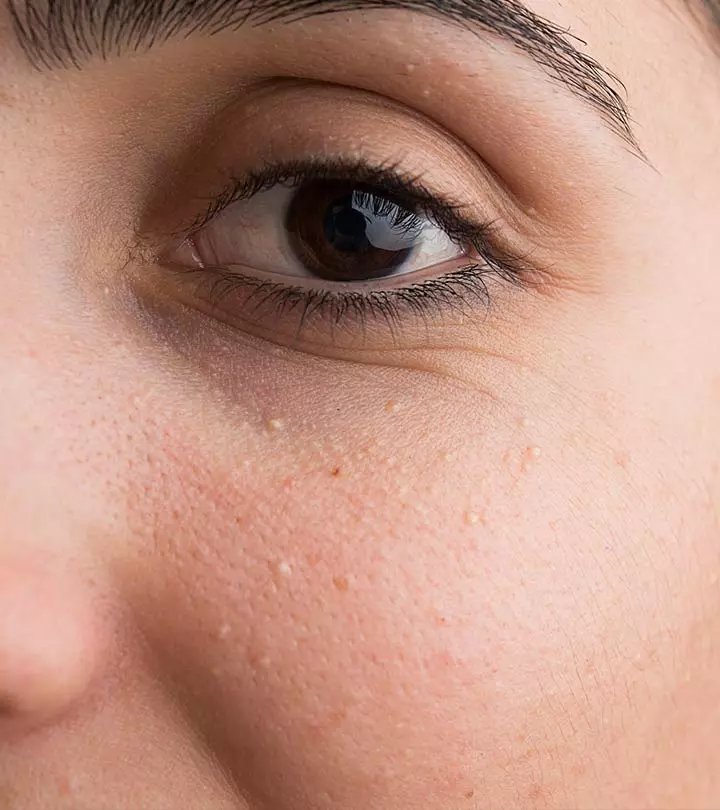
Seborrheic Keratosis: Causes And Treatment While some are small, others grow larger than 3 cm in diameter. The group at the office of Mark Mehrany, MD, checks out the development to identify whether it's a seborrheic keratosis or skin cancer. Your expert suggests eliminating any malignant growths. They may recommend one or more techniques to remove the growth, such as freezing or shaving it off. They may want to examine the tissue they've removed under a microscope to ensure they obtained every one of the cancerous cells. Seborrheic keratosis originate from Ultrasound Rejuvenation cells called keratinocytes.
- Your skin adjustments should have interest-- however manual anxiety.
- They can be brownish or black and can resemble scales with ceraceous surface areas.
- Seborrheic keratosis-- obvious seb-o-REE-ik ker-uh-TOE-sis-- is a problem that takes place when skin cells begin clumping together, which leads to a growth or several growths.
- While some non-prescription options can help deal with seborrheic keratosis, they're not as safe and efficient as specialist treatments.
Issues Of Seborrhoeic Keratoses
SKs are frequently brown, although they might range in shade from light tan to black. They can differ in size from as tiny as a portion of an inch to larger than an inch. We do not understand what causes seborrheic keratoses, although the propensity to create them may be inherited. It is possible that they belong to sun exposure. They are not transmittable, so you can not provide to another person. Acne is the most usual skin disease in the United States. While SKs can appear like these lesions, there are distinctions that aid skin doctors distinguish seborrheic keratoses from various other lesions. A seborrheic keratosis is a noncancerous skin growth. They can vary in shade from light tan to dark brownish or black.Locate Care
The look of seborrheic keratoses can differ extensively. One of the most usual structure is harsh, with a bumpy, grainy surface that collapses conveniently. They usually resemble they've been stuck onto the skin. Seborrheic keratosis is usually harmless, and there aren't many therapies beyond eliminating it. Some individuals choose to have them removed if the growths become undesirable or scratchy, or end up being irritated from scrubing against apparel. Elimination methods include cryotherapy, cut biopsy, laser surgical procedure, curettage, and cautery.Who Obtains Seborrhoeic Keratoses?
What happens if seborrheic keratosis is left without treatment?
Seborrheic keratoses are safe and Helpful resources not transmittable. They do not need therapy, however you may decide to have them removed if they become inflamed by apparel or you do not such as just how they look.
:max_bytes(150000):strip_icc()/health-Zoe-Hansen-skin-tags-moles-inline-1500x1000-2f4979792ee7401eb40c4080c3cb5e1f.jpg)